Skip to the content
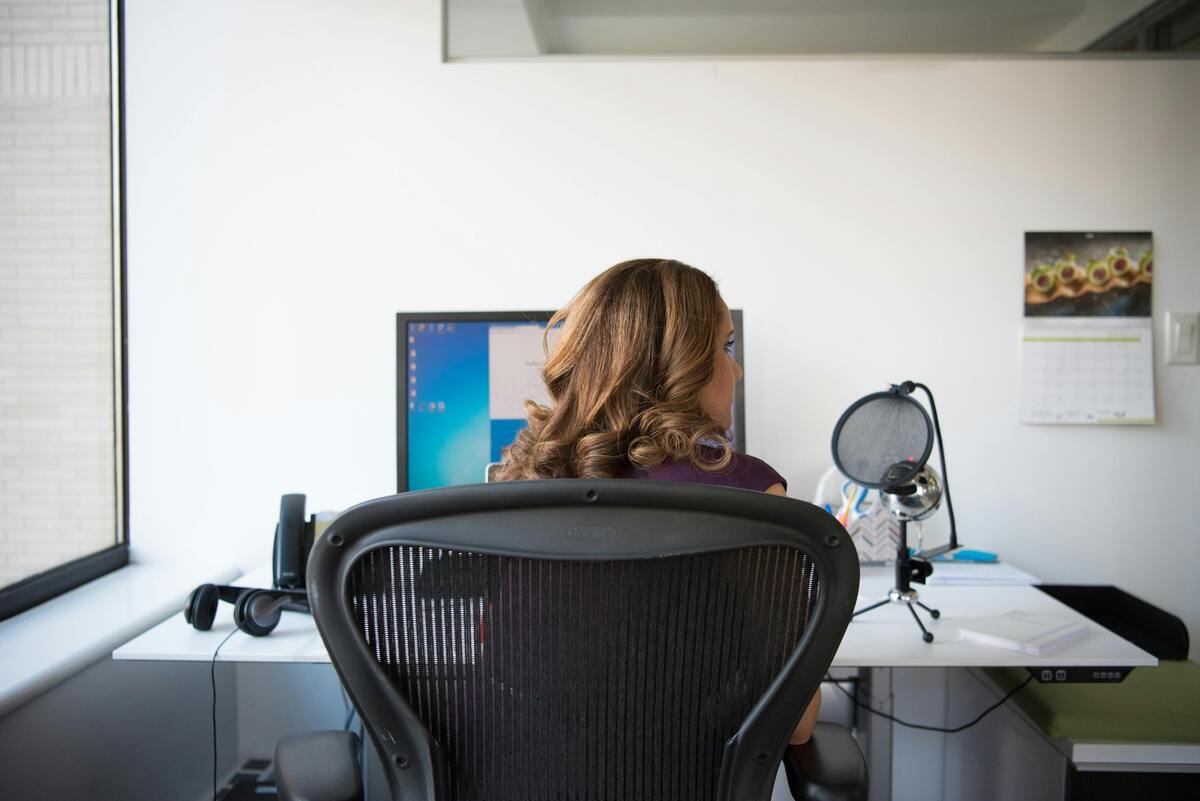
Accidentally spilled some morning coffee on your office chair? We’ve all been there. In this guide, we’ll explain how to clean an office chair.
If your office chair is looking a bit worn out and dirty, it might be time for a clean. It is estimated that a typical office worker will sit for roughly 1,300 hours on their office desk chair per year.
It can be difficult to know where to begin and in many cases, it might be best to leave it to commercial cleaners as part of a daily office clean, but this guide covers how it can be done.
Key takeaways: How to clean office chairs
- Check the upholstery tag under the seat for cleaning codes (W, S, W/S, or X) to ensure your solution is compatible with the fabric office chair.
- Vacuum the chair thoroughly before you attempt to clean office chair surfaces.
- Blot gently with a damp microfibre cloth and mild soap, avoiding any harsh scrubbing that can lead to damage.
- Avoid using dryers to speed up the process, as direct heat can damage your fabric office chair.
- Leave stubborn stains to the professionals at Think FM to avoid permanent discolouration, “water rings”, or fabric damage caused by incorrect chemicals.
How to clean a fabric office chair
Cleaning a fabric office chair requires a balance between sanitisation and protecting the fabric.
As commercial cleaning experts, we know how important it is to clean your office chair correctly according to different upholstery cleaning tags.
If you look under your seat, it will likely feature one of these four codes:
- W: Use water-based cleaning agents.
- S: Use water-free solvents (dry-cleaning products only).
- W/S: Both water-based and solvent cleaners are safe.
- X: Vacuum only.
Based on the code, we’ll take the appropriate approach to make sure your fabric office chair is clean and not damaged in any way.
The essential pre-clean
Remove any loose debris or dirt by using a low-suction setting on the vacuum. Most vacuums come with an upholstery attachment (the small flat head with lint-catching strips), it’s important to use this to prevent damage.
Pay close attention to areas that may collect more dirt than others, like the “crumb trench” where the seat meets the backrest. For deep crevices, you can use a tool like a brush to flick the dirt out.
The wipedown
If your chair is water-safe, the most highly recommended method involves wiping your fabric office chair down with a damp cloth.
- Mix a solution of clear dishwashing liquid with warm water until soapy.
- Dampen a microfibre cloth – ensure the cloth is not dripping wet.
- Gently dab the fabric in a circular motion, taking care not to scrub harshly.
- Wipe down a second time with a cloth dampened with plain water only. Ensure no soap residue is left behind.
Removing stubborn stains
The method of removing stubborn stains usually depends on the stain itself – whether it is oil-based, like food or ink, or water-based, like tea or coffee.
Scrubbing out a deep stain can potentially lead to permanent damage, such as fabric pilling, colour loss, or “water rings”.
We recommend leaving stubborn stains to daily office cleaners like Think FM. We ensure the correct products and specialised equipment are used to safely clean your fabric desk chair.
Finishing and drying
Some tips for proper drying include:
- Leaving the fabric office chair to air dry in a well-ventilated area
- Avoiding direct heat, as this can cause colour fading and fabric damage
- Giving it a final vacuum to ensure any fibres and dust are removed
True or false? Cleaning office chairs
Here are some common ‘facts’ about cleaning office chairs, including details of some at-home cleaning myths:
- The more water you use, the deeper the clean. False. Excess water can soak into foam padding and be harder to dry, leaving a dampness and mould behind.
- Vacuuming is just as important as washing. True
- If there’s no upholstery tag, you should test a hidden area first. True
- Sitting on a damp chair can cause permanent fabric ‘stretching’. True
- You can use a hairdryer to speed up the drying process. False. It’s tempting, but many synthetic fabrics used in office seating have a low melting point or are treated with flame retardants.
- All fabric office chairs can be cleaned with standard washing-up liquid. False. While many “W” rated chairs are fine with a mild soap, some luxury office chairs use wool blends or delicate fibres that will create small bobbles if they touch water.
- Using an office chair seat cover keeps your chair cleaner – perhaps a removable, machine-washable seat cover can be a “shield” against physical crumbs and light dust, however, the fabric needs to be breathable to avoid trapping sweat and moisture
- The wheels (castors) on a fabric office chair need cleaning just as much as the fabric.” True
FAQs: How to clean an office chair
How do you clean office chair mesh?
Mesh can be fragile – so it’s best to use a soft brush for cleaning. You can use a damp microfibre cloth to wipe the chair down but avoid scrubbing as it can fray the material. Air dry in a well ventilated area.
How to clean an office chair without a vacuum?
A great alternative to a vacuum for a fabric office chair is a sticky lint roller. You can also take the chair outside and firmly pat to dislodge any dust and crumbs. Then, wipe it down with a microfibre cloth to remove any remaining debris from the chair fabric.
How do you clean office chair wheels?
To keep your fabric desk chair gliding smoothly, flip it over and use tweezers to pull out hair and carpet fibres trapped in the wheels. Use a blunt knife to scrape dirt off, then wipe them with a damp cloth. Proper office chair cleaning includes the wheels to prevent them from scratching your office floor.
Final thoughts: How to clean office chairs
Knowing how to clean an office chair is the best way to make your furniture last longer and keep your workspace feeling fresh.
But it may be best to ask your commercial cleaner if they can tackle the task as part of their daily office cleaning or a deep clean.
If you found this blog useful, please take a look at some of our popular articles:
- Commercial Cleaning Meaning: Our Comprehensive Guide
- Three Levels Of Decontamination: Cleaning, Sterilisation And Disinfection
- Indoor Team Building Activities: 12 Ideas For Your Workplace
- How To Clean A Whiteboard In The Office
Think FM have many accreditations – for instance, we are Safe Contractor approved, Living Wage Employer accredited and we have many ISO certifications.
To find out more about how we help businesses with commercial cleaning, please contact us.
share this article
Related articles
29 April 2024
Benefits Of Hiring A Professional Office Cleaning Service In London
Is it better to use in-house cleaners or hire a professional office cleaning service?
READ ARTICLE
8 September 2025
Regular Cleaning Services: What Are the Benefits?
A workplace might appear clean on the surface, but without a regular cleaning service, hygiene issues as well as increased wear and tear quickly become a concern.
READ ARTICLE
26 February 2024
Suggestion Box Ideas: How To Use Suggestion Boxes At Work
We've seen lots of great suggestion box ideas. Want to know what staff really think? It might be the time for some new suggestion box ideas.
READ ARTICLEACCREDITATIONS